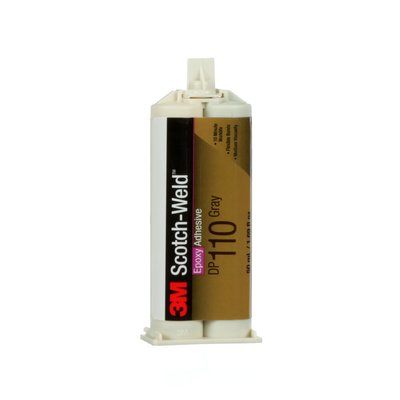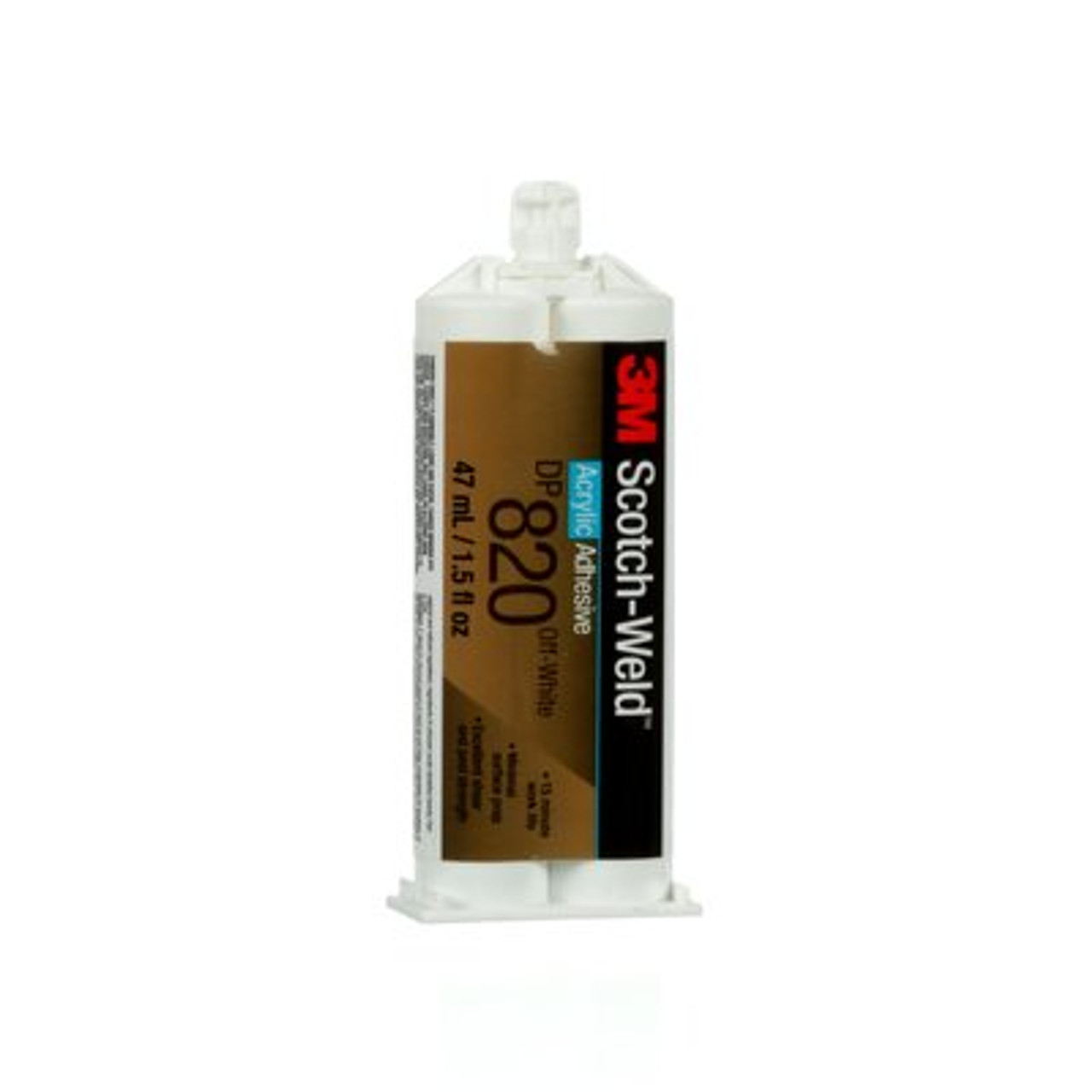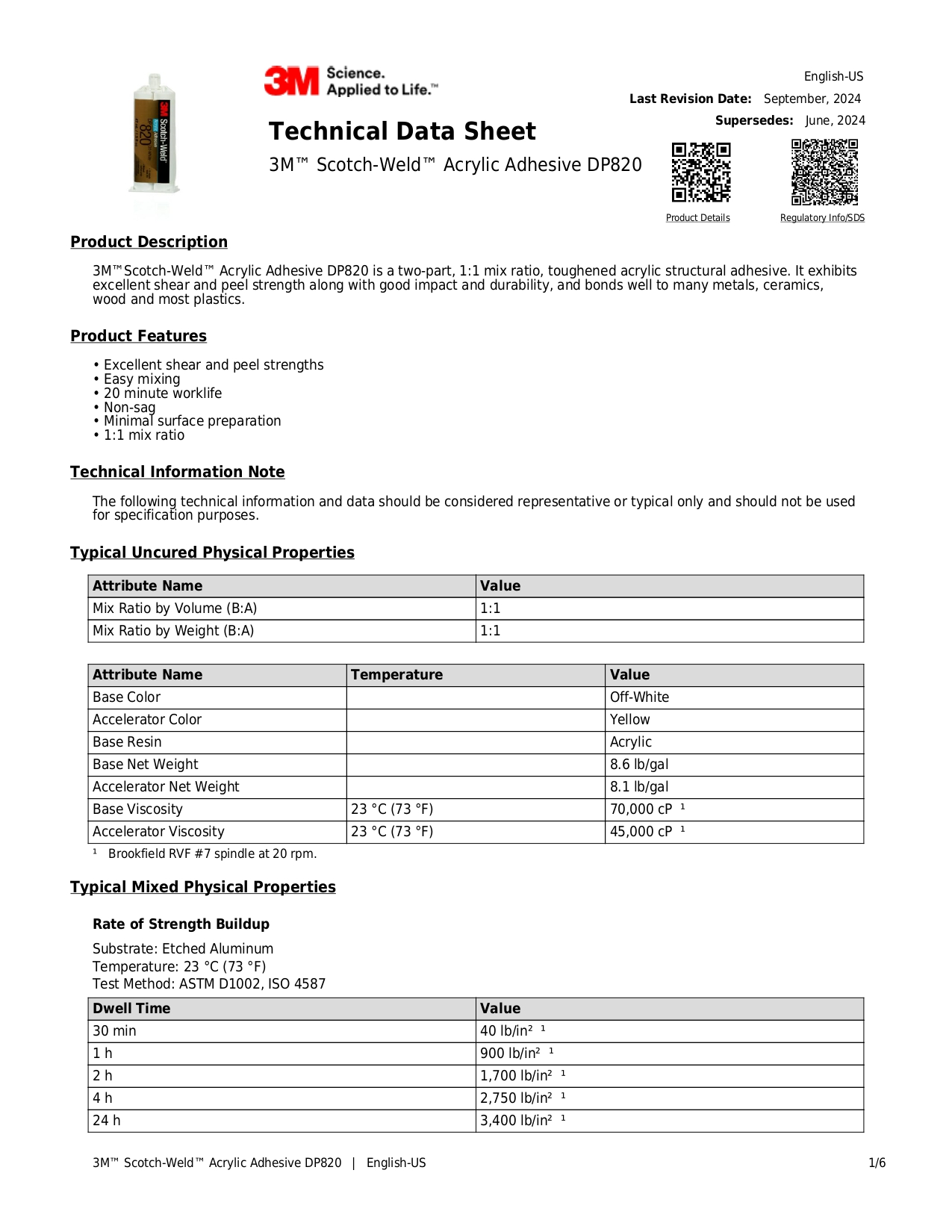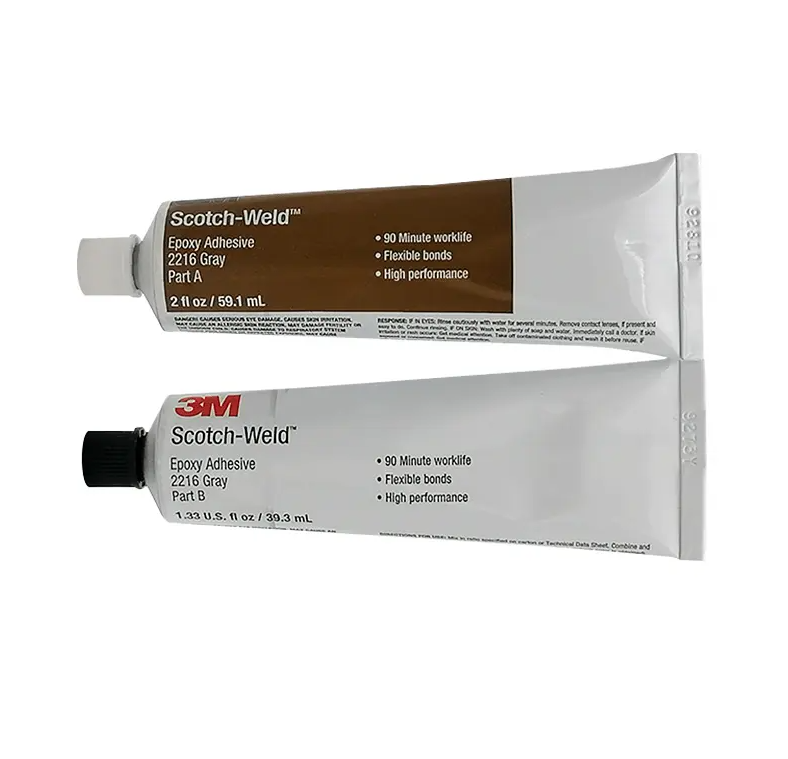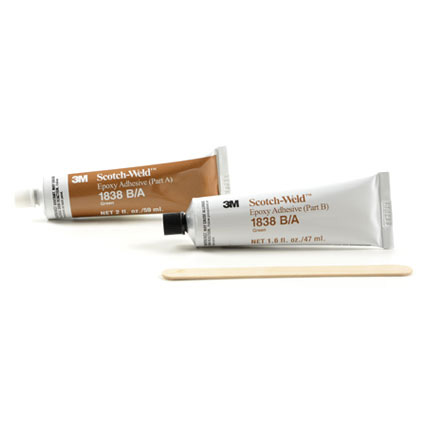
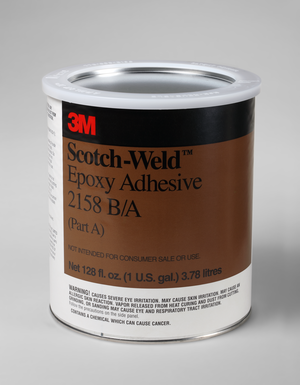
3M™ Scotch-Weld™ Epoxy Adhesive 2158
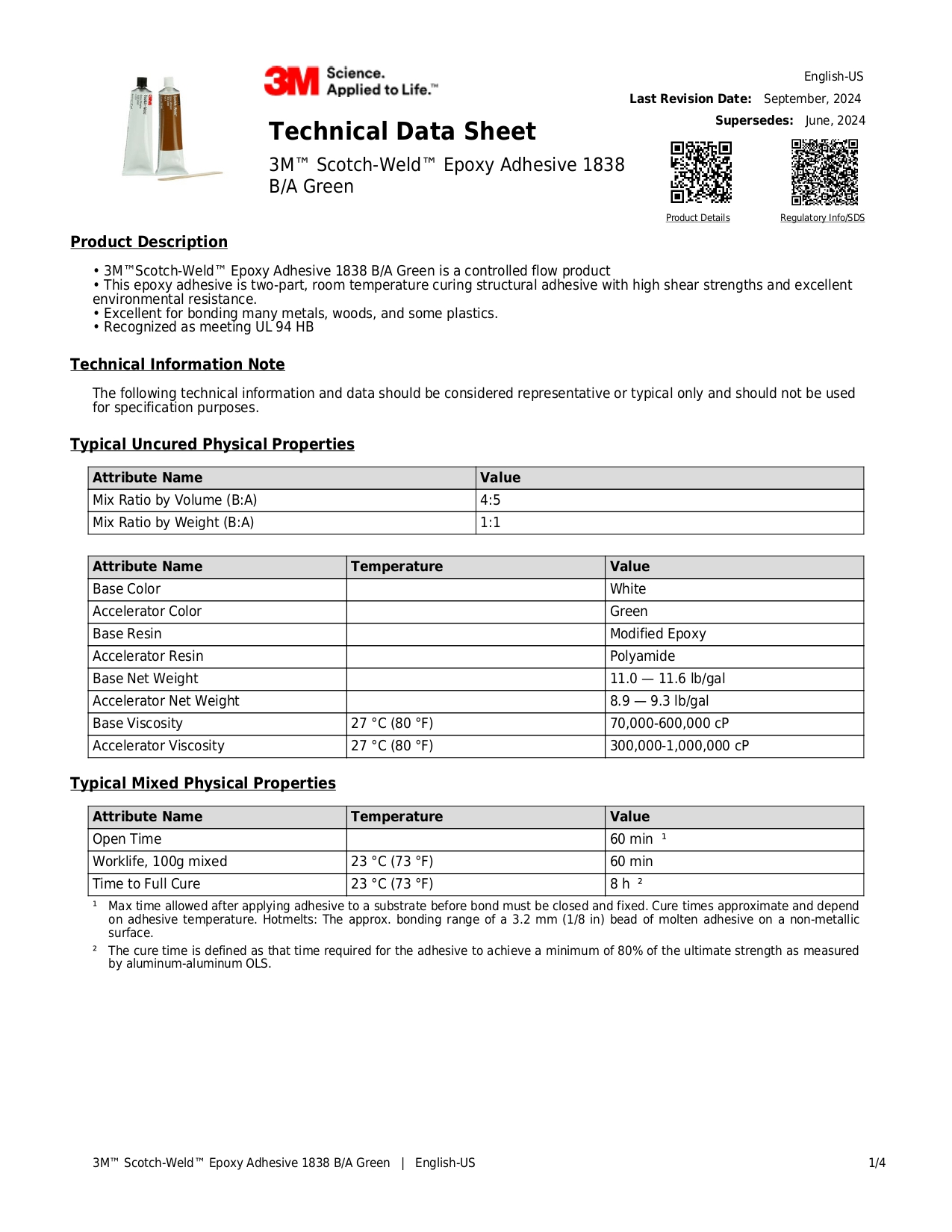
A two-part, high-strength gray epoxy in a 1:1 mix ratio (by volume or weight), curing chemically at room temperature. It bonds well to metals, wood, concrete (including damp), and various plastics. It’s recognized under UL 94 HB flame rating—ideal for rigid structural assembly in industrial settings
Key Features
- 1:1 mix ratio for both parts, simplifying measurement .
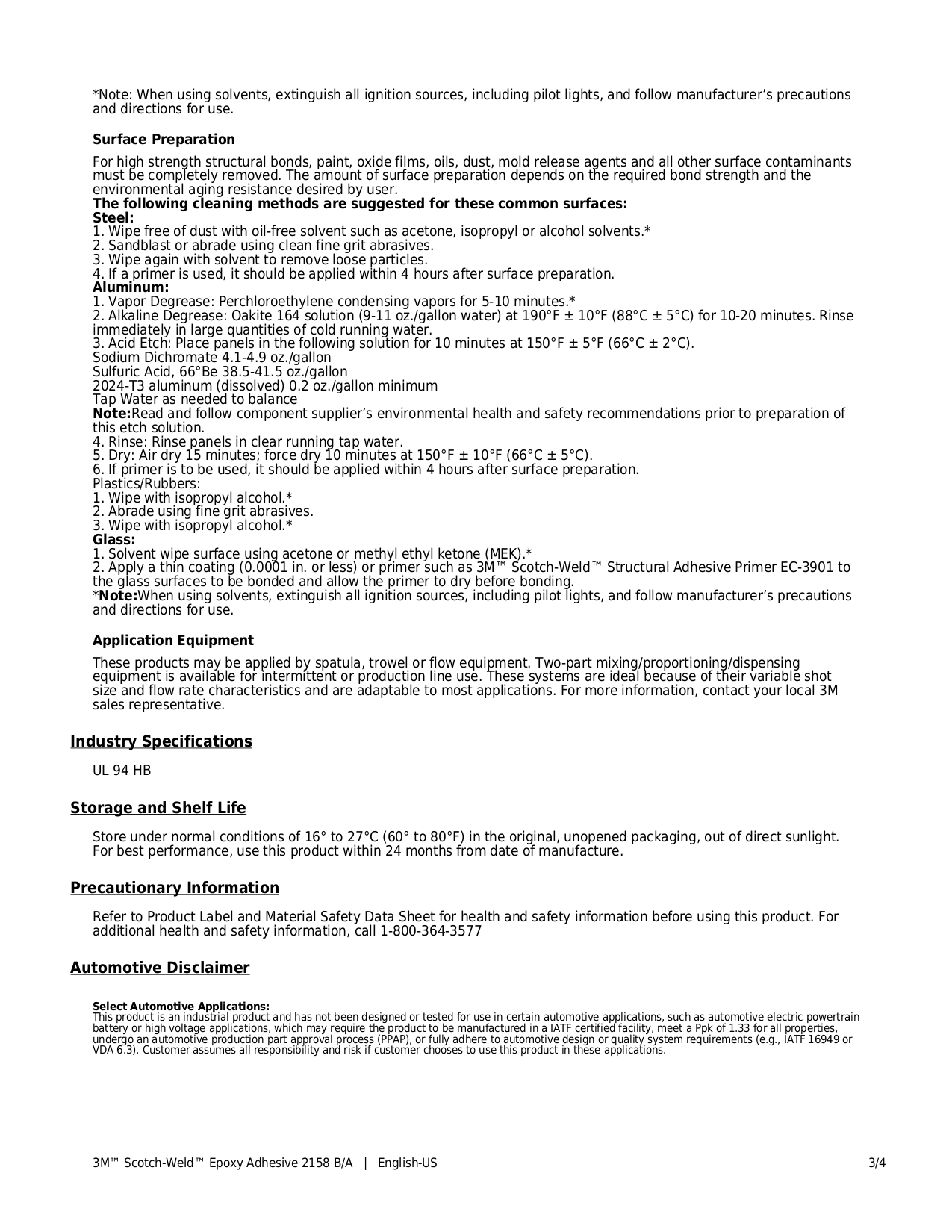
- Extended work-life (~120 min) for adjustment before handling
- Handling strength reached in 8–12 h at ~23 °C; full cure in ~7 days
- Rigid, high shear strength bonds suited to structural applications
- High viscosity ensures controlled dispensing with minimal slumping
- Adheres to damp concrete, expanding its usability on-site
- UL 94 HB flame rating, meeting standard flame performance
Applications
- Heavy-duty bonding for metals, wood, concrete, and some plastics
- Used across industrial, metalworking, construction, military, transportation, and aerospace sectors
- Ideal for structural assemblies, fixture bonding, repair of rigid components, and concrete repairs.
Technical Specifications
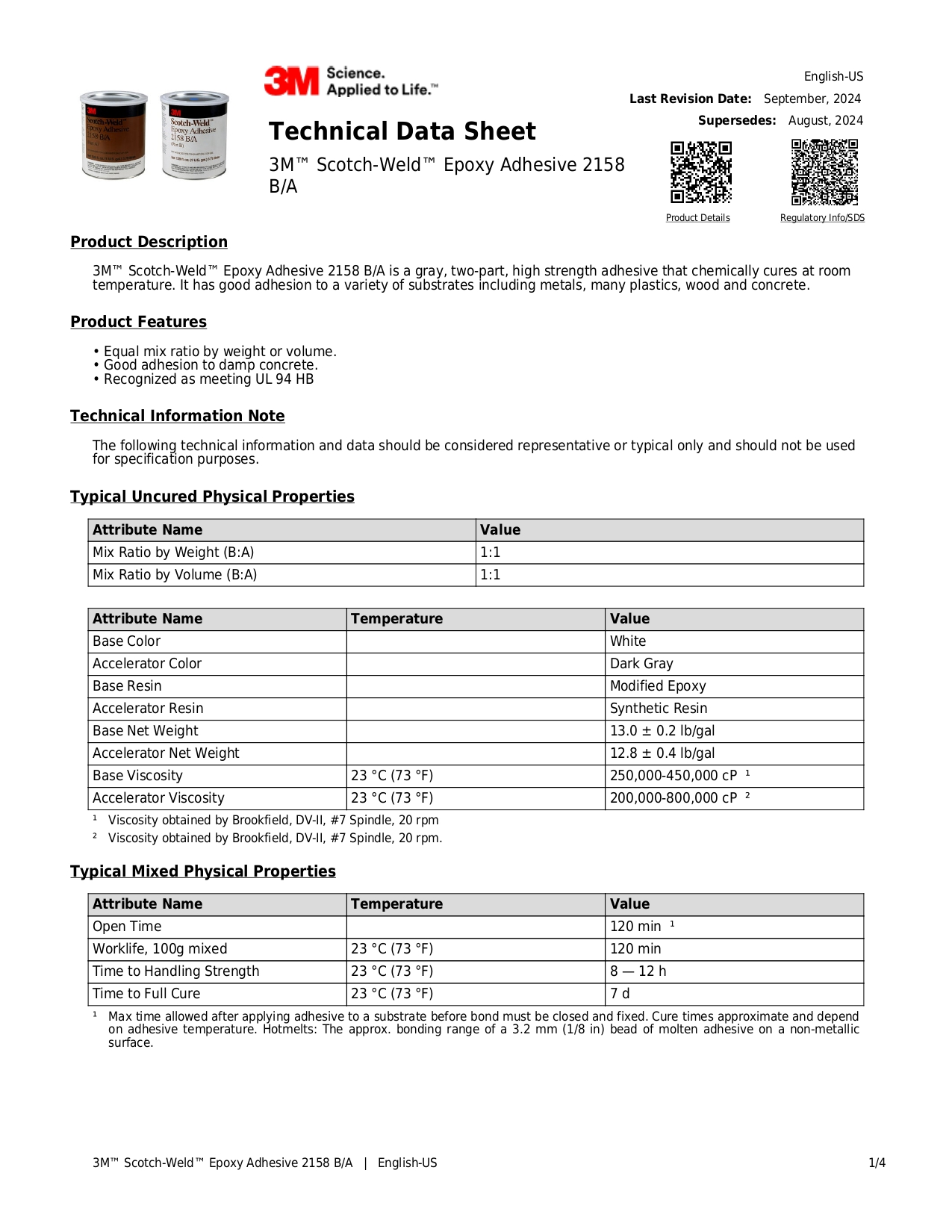
Mix Ratio (Weight/Volume) : 1:1 B:A
Work-Life / Open Time : ~120 min @ 23 °C
Handling Strength : 8–12 h @ 23 °C
Full Cure : ~7 days @ 23 °C or shorter at elevated T
Viscosity (uncured) : Base: 250,000–450,000 cP; Accelerator: 200,000–800,000 cP
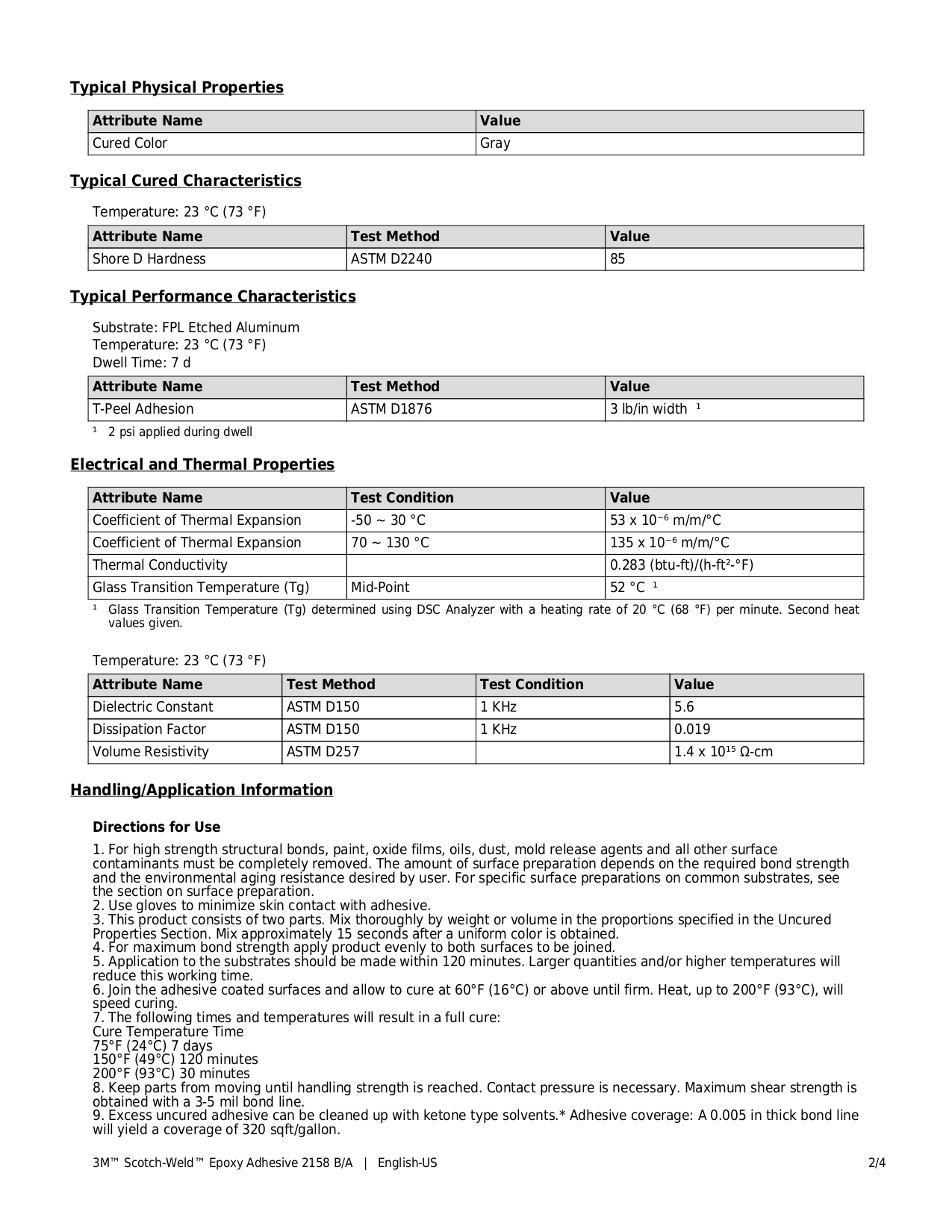
Shore D Hardness (cured) : ~85
T‑Peel Adhesion (etched aluminum) : ~3 lb/in width (with 2 psi applied)
Coefficient of Thermal Expansion : 53×10⁻⁶ m/m/°C (–50 → 30 °C); 135×10⁻⁶ m/m/°C (70 → 130 °C)
Thermal Conductivity : 0.283 (Btu=ft)/(h=ft²=°F)
Glass Transition Temperature (Tg) : ~52 °C mid-point
Dielectric Constant (1 kHz) : ~5.6; Dissipation Factor ~0.019
Volume Resistivity : 1.4×10¹⁵ Ω=cm
Density (mixed) : ~1.55 g/mL
Shelf Life : ~730 days (~2 years)
Service Temperature (cured) : To 250 °F (≈ 121 °C)
Handling & Safety
Hazards (per SDS)
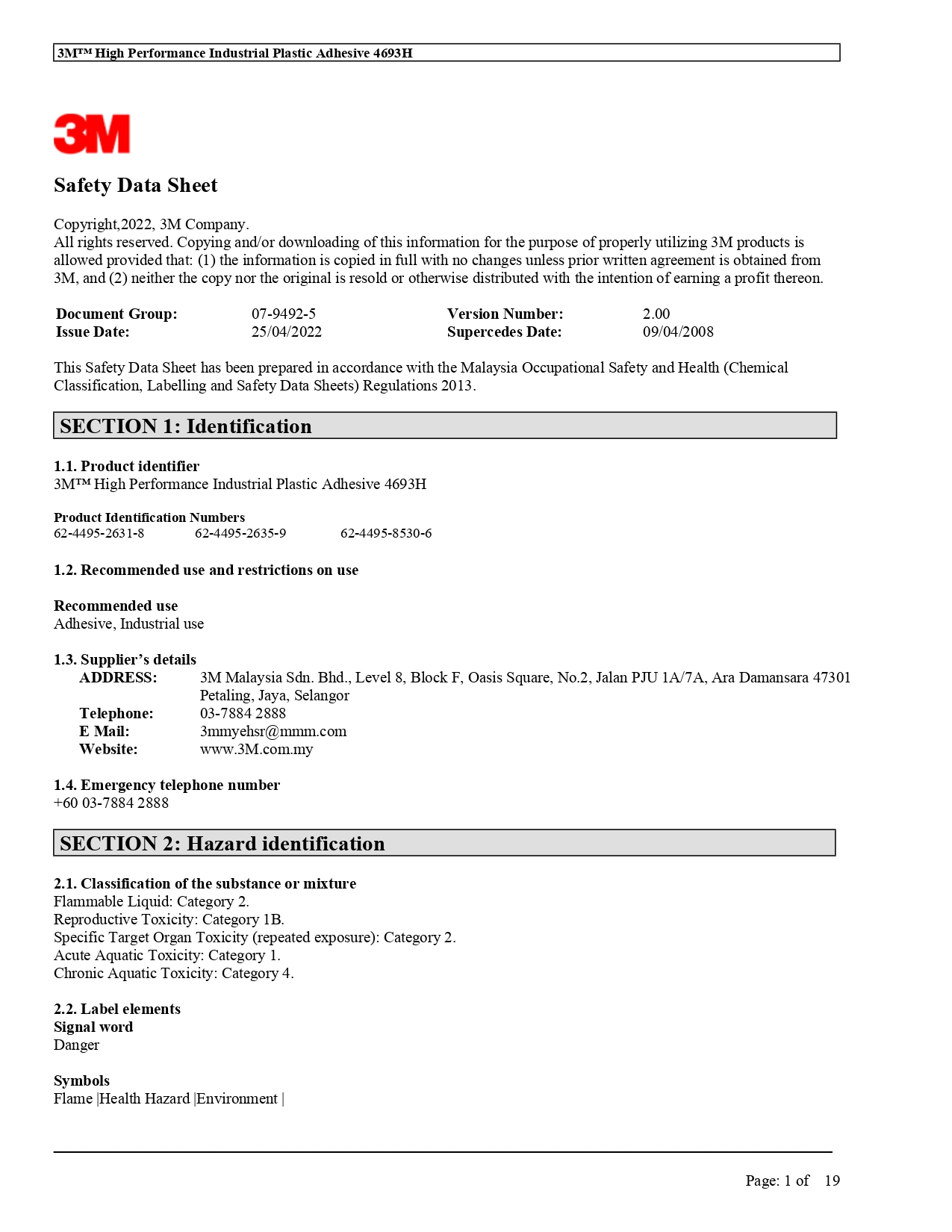
- Part A: Causes severe skin/eye burns, sensitization, may be mutagenic/carcinogenic
- Part B: Serious eye and skin irritant; suspected of reproductive toxicity, cancer risk, and mutagenicity
Protective Measures
- Wear chemical-resistant gloves, full-body clothing, and eye/face protection
- Ensure adequate ventilation to avoid inhalation.
- Use respiratory protection if vapor/mist exposure is possible.
First Aid
- Skin contact: Remove contaminated clothing immediately; wash thoroughly
- Eye contact: Rinse carefully with water for at least 15 min; seek medical care .
- Inhalation: Move to fresh air; if unwell, seek medical help
- Ingestion: Rinse mouth; do not induce vomiting; get medical attention
Fire and Spills
- Fire: Extinguish with water or foam .
- Spill: Avoid environmental release; absorb with inert material, collect, and dispose per regulations
Storage & Disposal
- Keep parts in tightly sealed containers in locked storage
- Dispose of contents and containers in compliance with local and national hazardous waste laws
Related products