
Cemedine ca-149
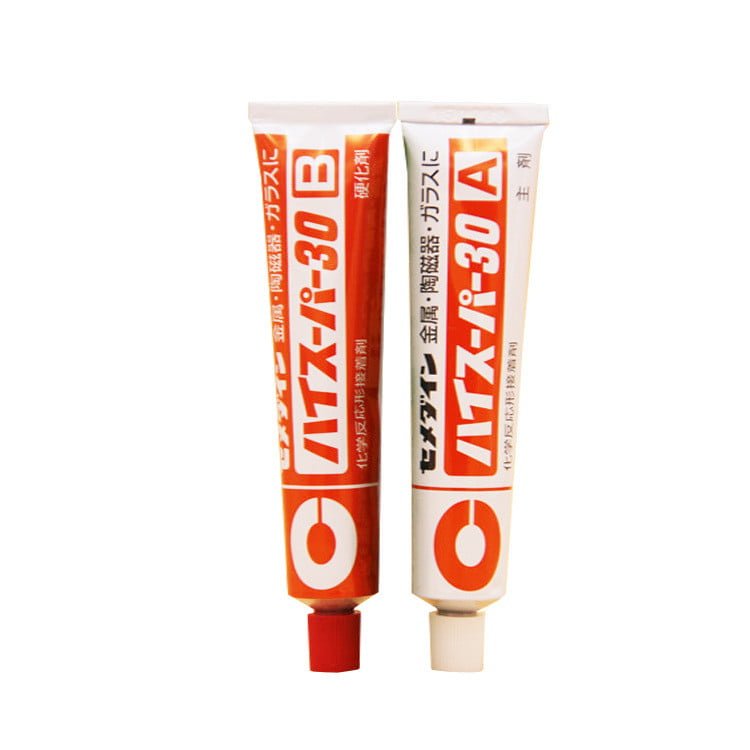
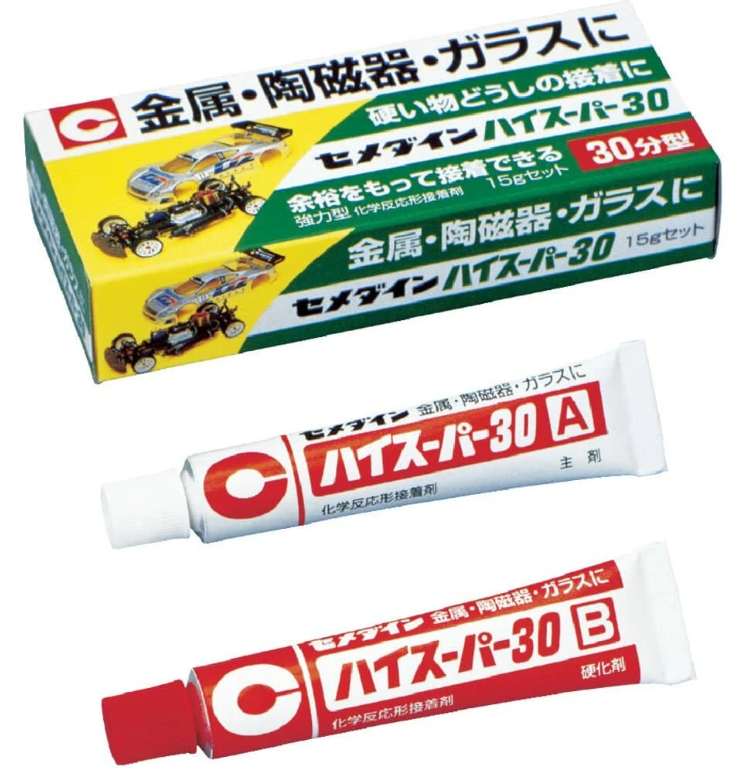
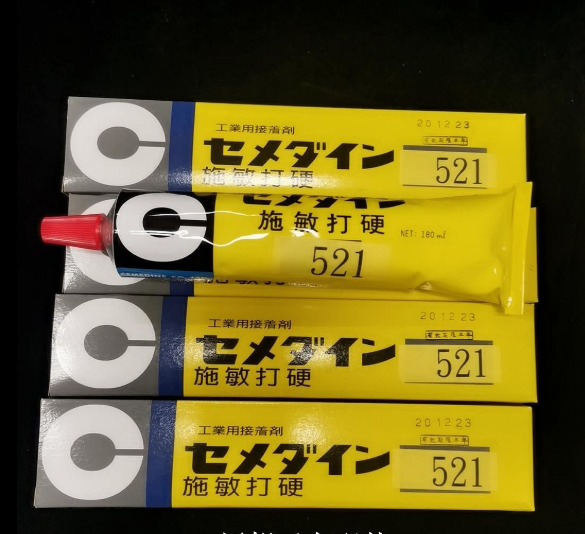
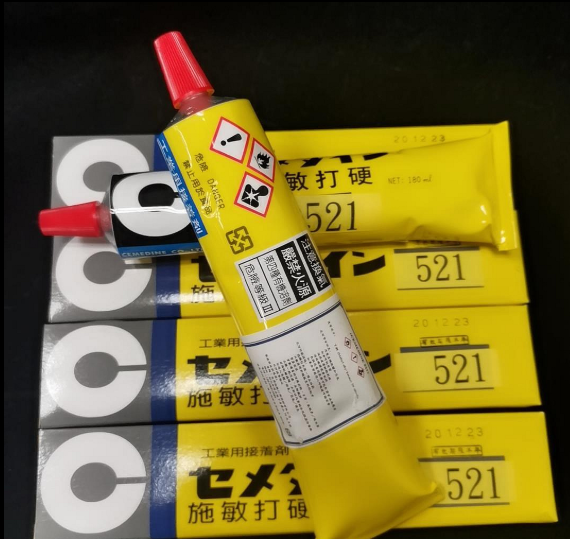
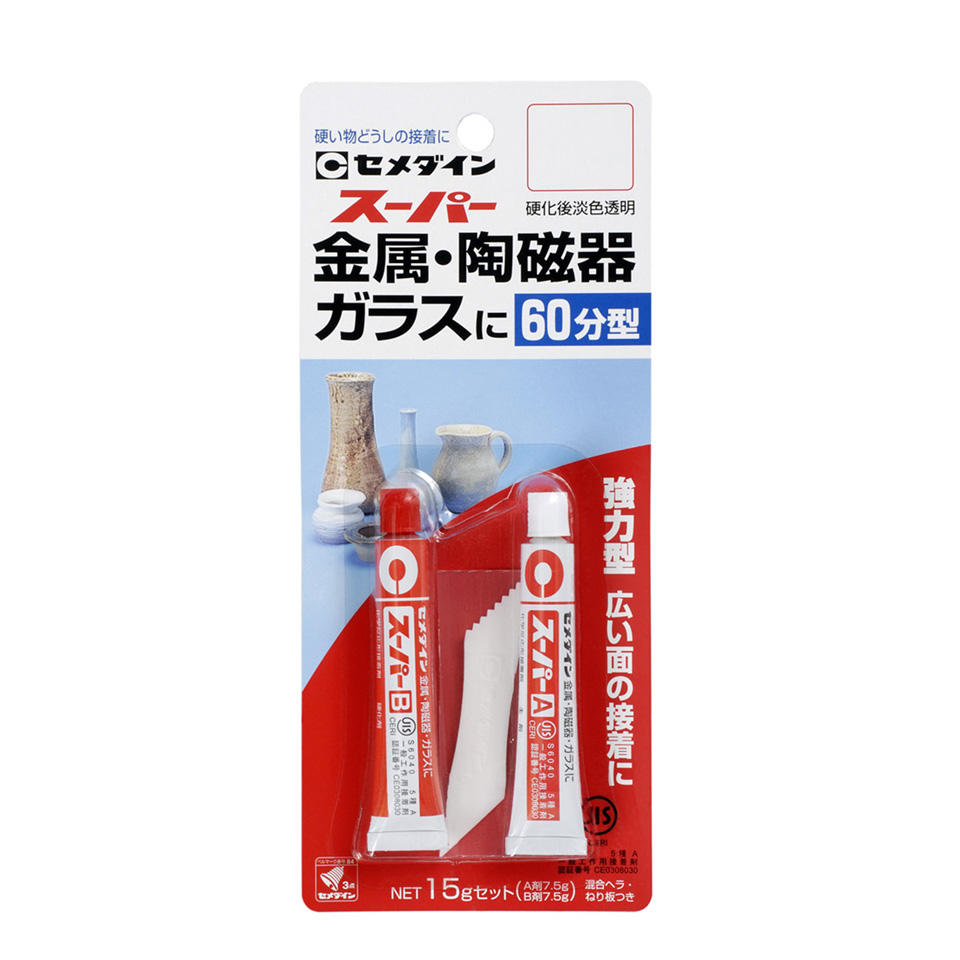
Cemedine CA-149 is a two-component high-strength epoxy resin adhesive made in Japan by Cemedine. It’s designed for strong, durable bonds across a wide range of hard materials and industrial applications.
Materials Suitable for Bonding with Adhesive
- Metals
- Ceramics
- Rigid plastics, etc.
Restrictions and Precautions
- Do not use on glass items larger than 10 cm × 10 cm, as shrinkage during curing may cause cracking.
- Do not use on precious metals or high-value items.
- Do not use for bonding or repairing parts that will come into direct contact with skin, food, or beverages.
- Parts with a small bonding area (e.g., eyeglass frames) may not achieve sufficient bonding strength.
- Do not use for containers intended to hold live organisms.
Product Data (Typical / Observed)
Because there isn’t a readily available public TDS directly from the manufacturer for CA-149 online, here’s a compiled technical snapshot based on product listings where CA-149 is sold and similar two-component epoxies from Cemedine (such as CA-149’s peers like standard epoxy sets):
Basic Product Specs | |
| Property | Typical Value (Distributor Info) |
| Mix Ratio | Typically 1:1 by weight (base : hardener) |
| Working Time / Pot Life | ~60 minutes at ~23 °C |
| Cure Initiation | Begins around 60 minutes after mixing |
| Cured Appearance | Light transparent or light colored |
| Resistance | Good chemical resistance & water resistance |
| Use Characteristics | Can fill small gaps; low shrinkage during cure |
Performance Considerations
- Good electrical insulation once cured — suitable for some electronic bonding tasks.
- Chemical & impact resistance — durable under mechanical stress once fully cured.
- Temperature & environment — works at room temperature; performance under elevated temperatures depends on materials and environment.
Safety & Handling (General Epoxy Precautions)
Hazard Summary (Pre-Cure)
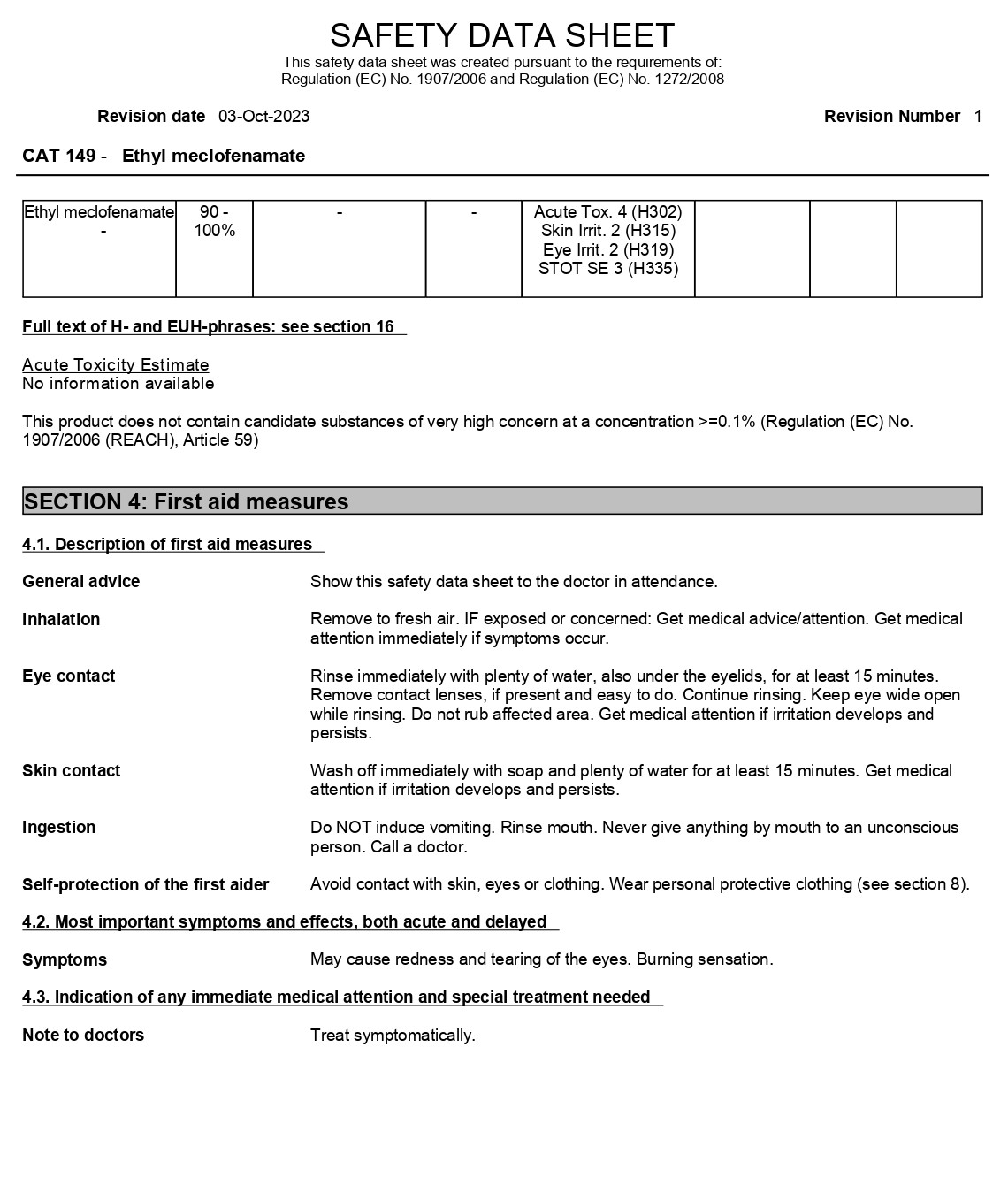
The base resin may cause skin sensitization and eye irritation.
The hardener may cause serious eye damage and skin irritation.
Vapors and dust should be avoided—inhalation of fumes can be irritating (varies by formulation).
Recommended Protective Measures
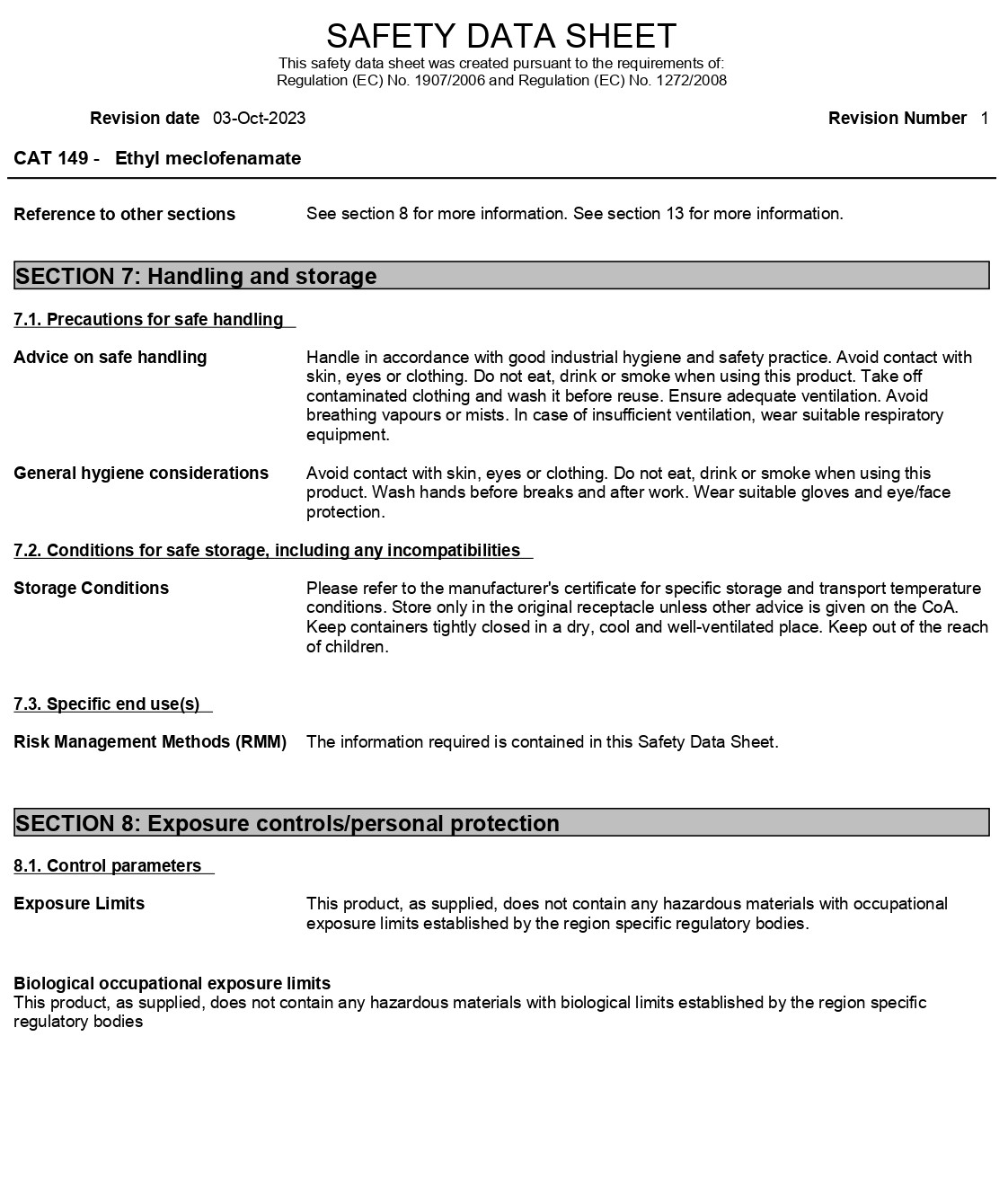
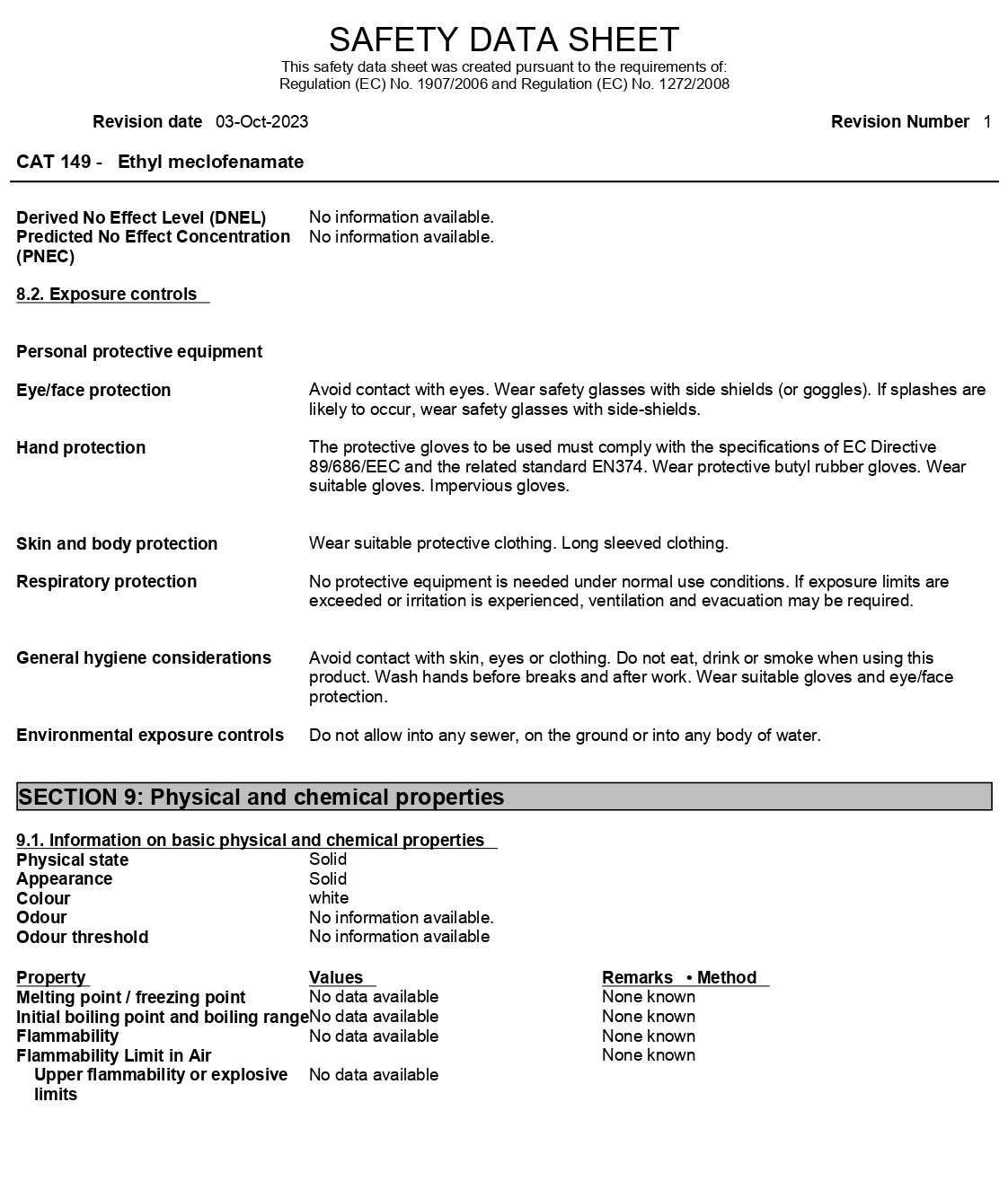
Gloves: Chemical-resistant (nitrile or neoprene).
Eye Protection: Safety goggles or face shield.
Respiratory: Work in well-ventilated areas; consider a respirator if ventilation is poor.
Clothing: Long sleeves and protective clothing to avoid skin contact.
Handling & Storage
Mix components in the specified ratio (often 1:1) and apply promptly.
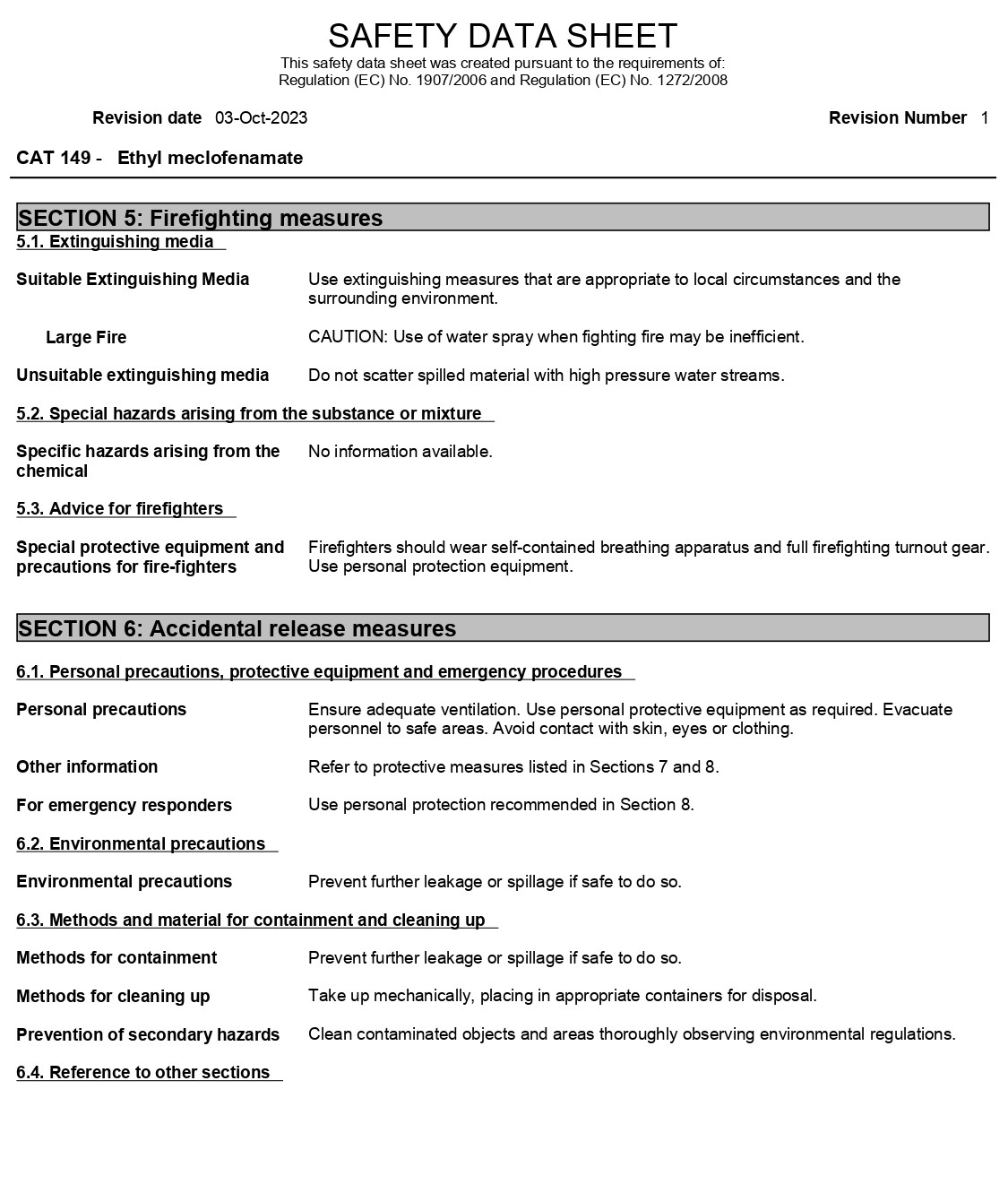
Avoid open flames, sparks, or heat sources during handling.
Store in a cool, dry, ventilated area, tightly closed.
First Aid (Typical for Epoxies)
Skin contact: Wash with soap and water promptly.
Eye contact: Rinse thoroughly with water for 15 min and seek medical advice.
Inhalation: Move to fresh air; seek medical help if symptoms continue.